Overview
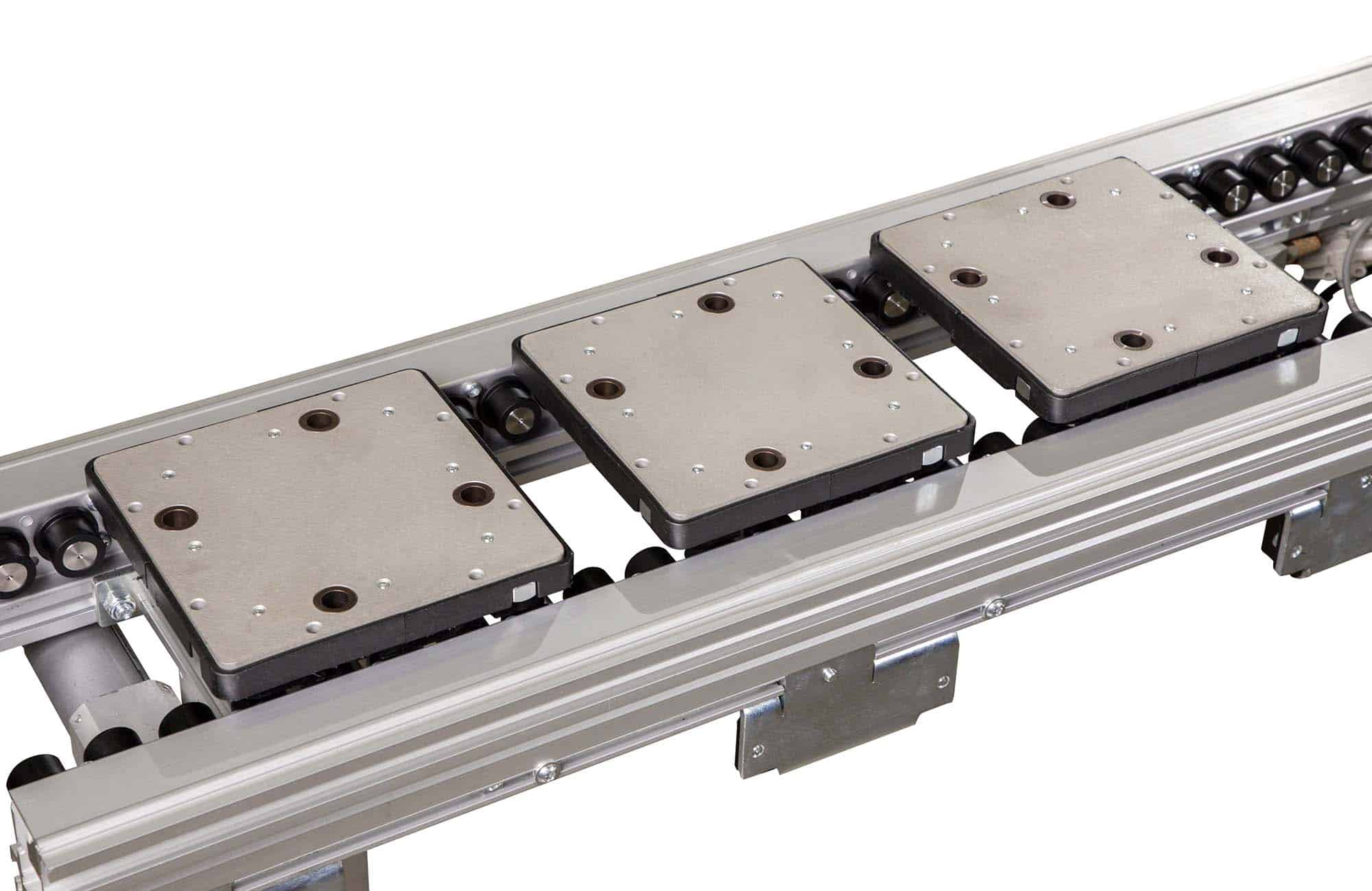
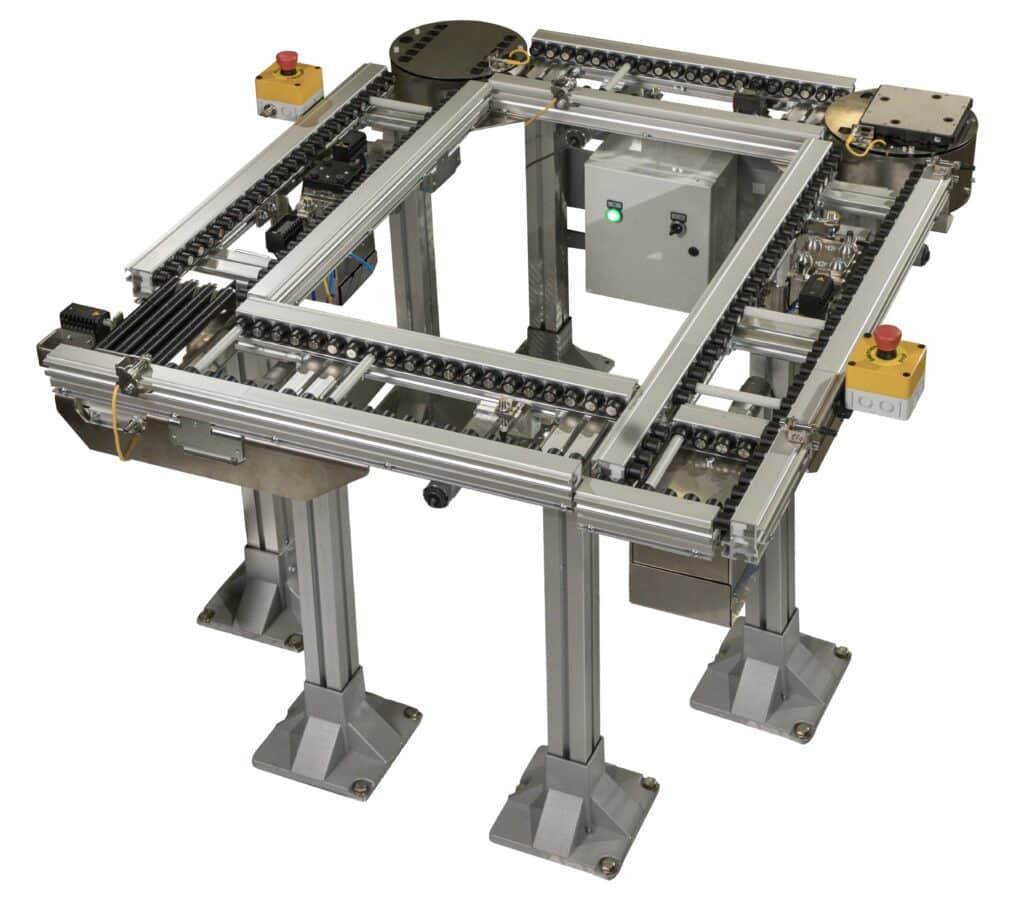
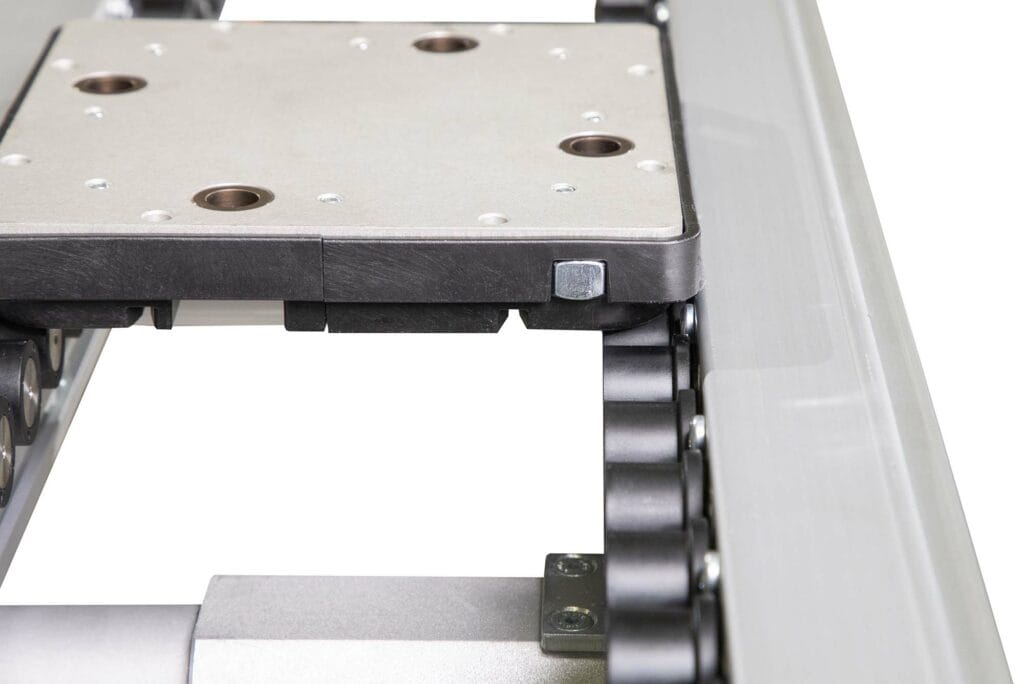
Dorner ERT (Edge Roller Technology) conveyors move pallets and trays on driven edge rollers with non-contact zone control. The ERT150 handles small, light-load assembly up to 16 kg (35 lbs) per pallet; the ERT250 handles medium and heavy loads up to 114 kg (250 lbs). Both have a clean, open roller design verified to ISO Class 4 for cleanrooms.
Key Features
- Non-contact zone control
- Zoning controls pallet traffic and removes the need for pallet stops and pneumatic valves.
- Low back pressure accumulation
- Slip rollers allow full-length, low back pressure accumulation with conventional pneumatic pallet stops.
- Cleanroom ready
- The open roller design is ISO Class 4 verified for cleanrooms, based on testing of an unloaded base conveyor.
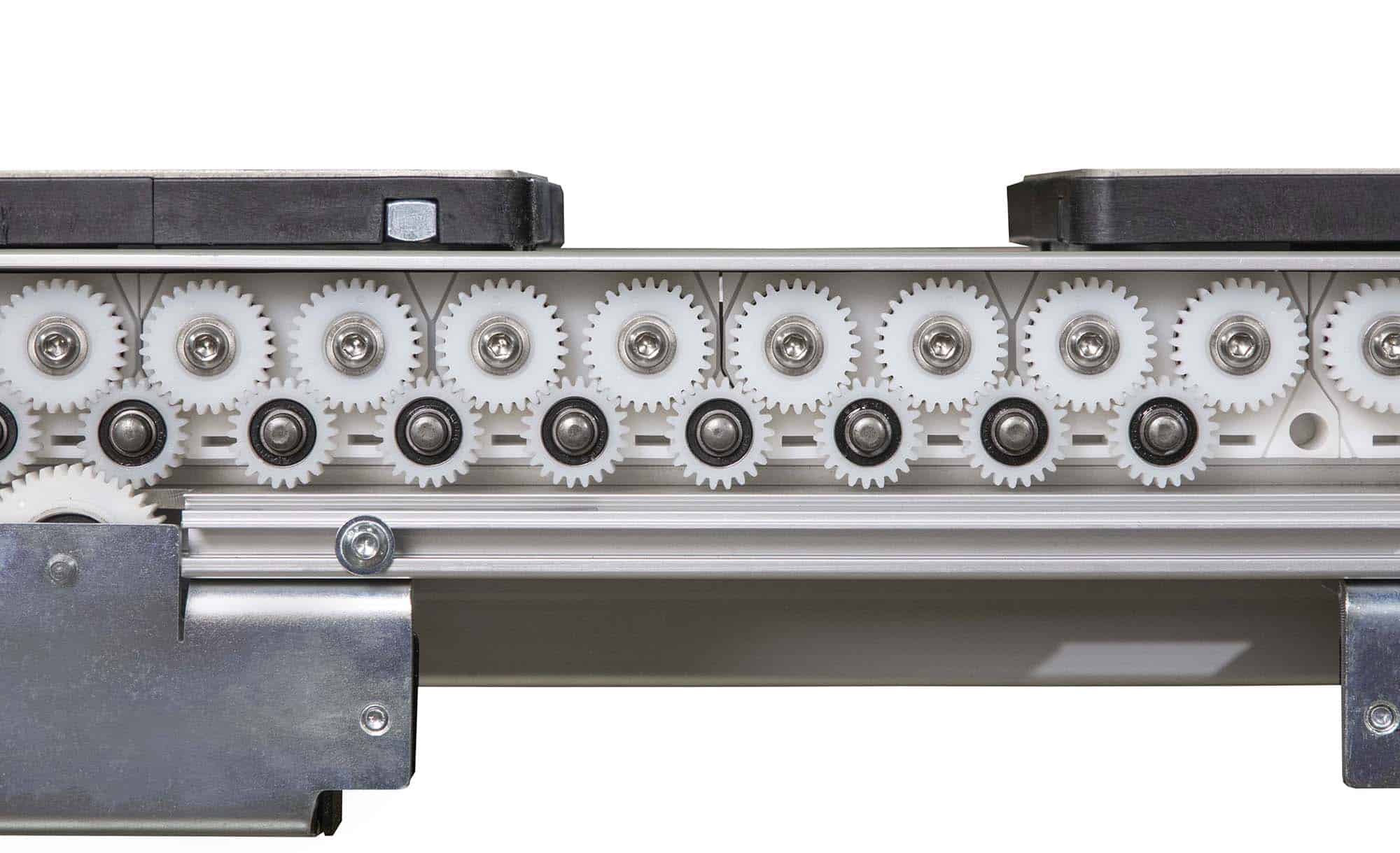
- Patent-pending linear gearbox
- Gears and drive shaft can be repositioned in the field, and a gearmotor added to create new zones.
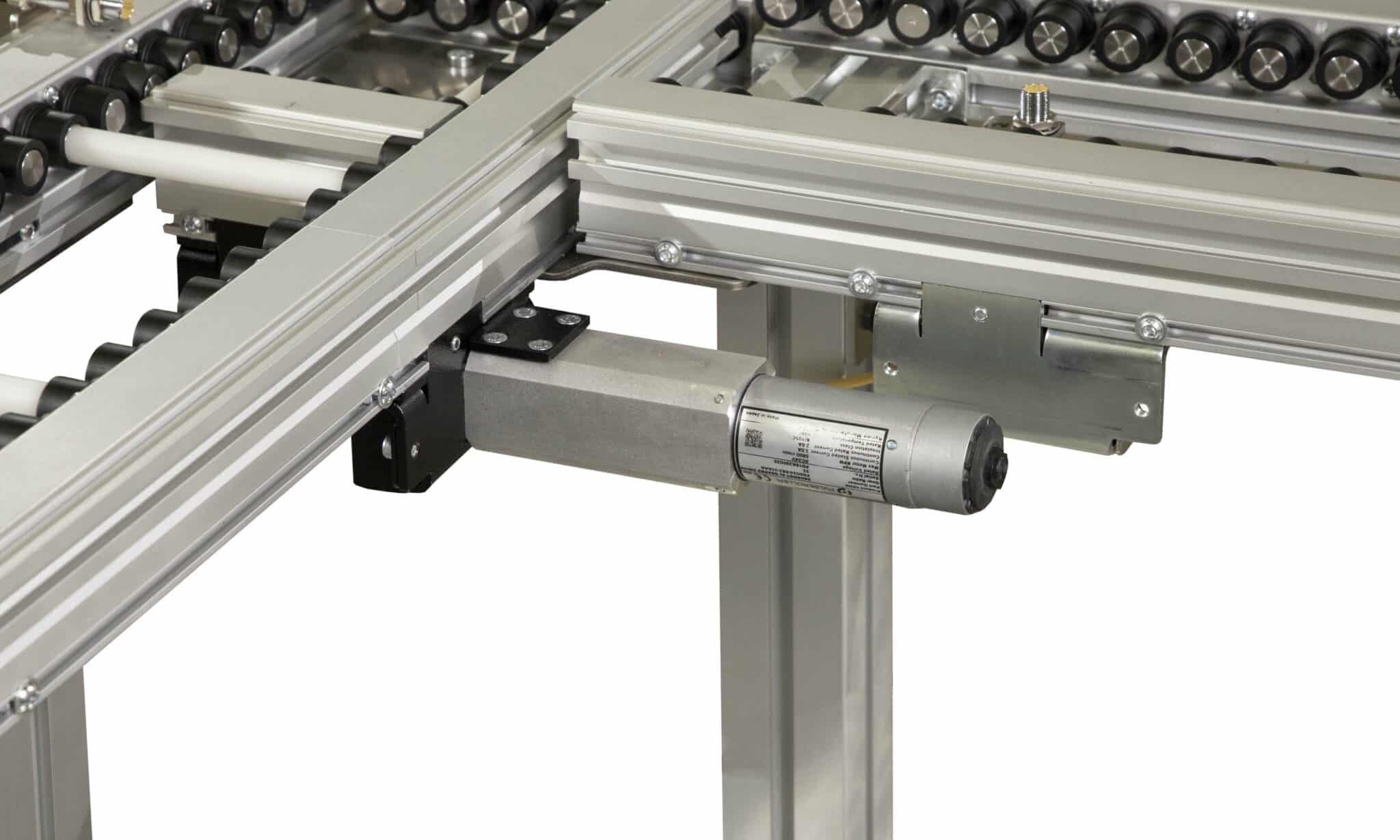
- Low-voltage brushless DC gearmotors
- 50 W reversible gearmotors with EtherNet/IP, Modbus TCP or PROFINET controllers.
- Field-replaceable rollers
- A damaged roller can be replaced without affecting the rest of the conveyor.
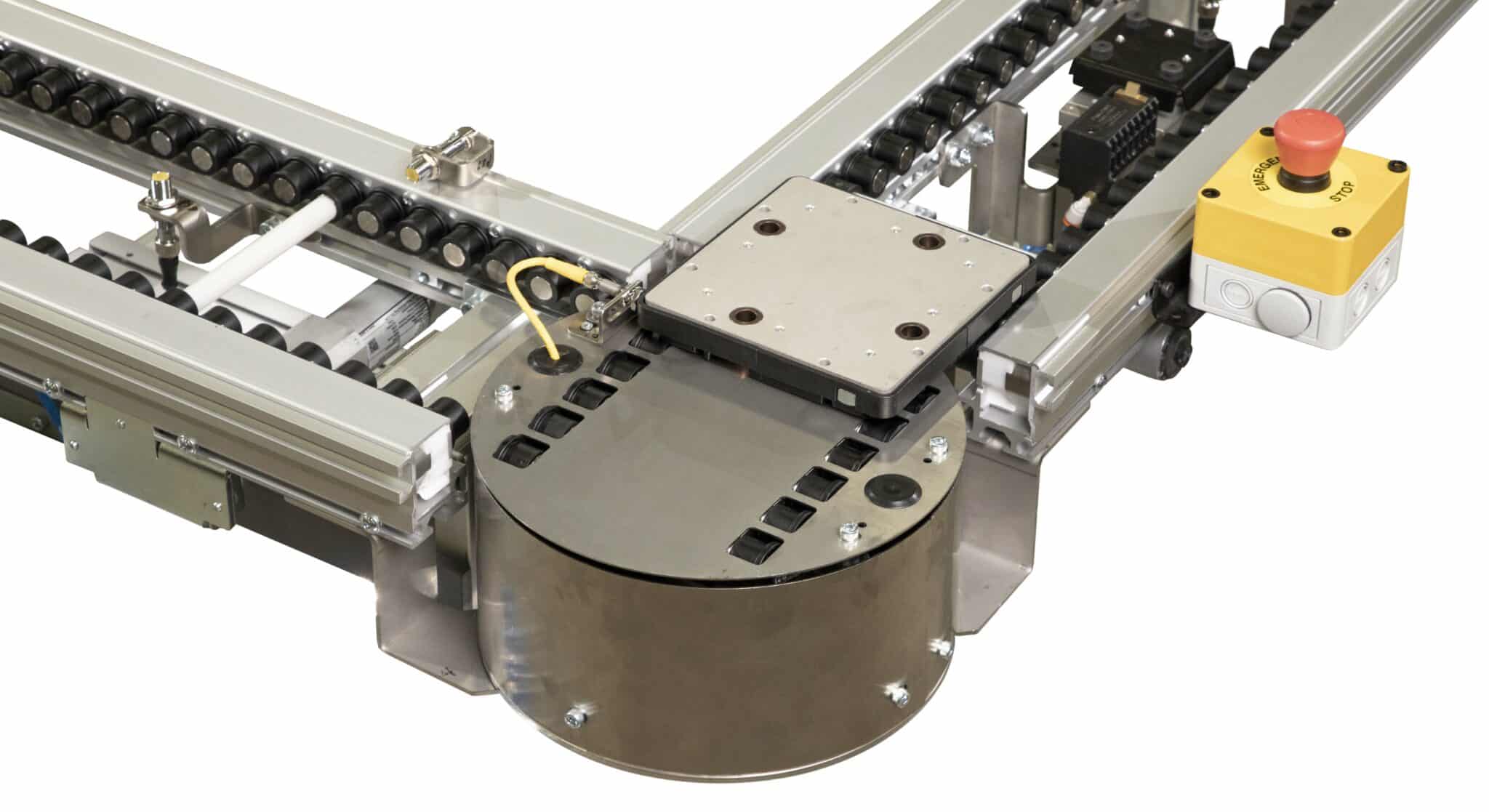
- Corners and modules
- Corners, lift and locate, lift and rotate, lift and transfer, pallet pushers and pallet stops handle pallet traffic.
Product Line / Models
Two sizes, from Dorner's specifications:
- ERT150 – Small and light-load assembly automation, medical devices, electronics and consumer goods. Uses 160 to 320 mm pallets.
- ERT250 – Medium and heavy-load assembly automation, including automotive and appliance assembly. Uses 320 to 800 mm pallets and 24 VDC brushless gearmotors.
Applications & Benefits
- Medical devices and products: ISO Class 4 cleanroom verification and an open roller design suit medical assembly.
- Automotive and appliance assembly: The ERT250 carries pallets or trays up to 250 lbs.
- Electronics and consumer goods: Both models handle pallet and tray assembly lines.
- Packaging: No and low back pressure accumulation keeps product moving without pile-ups.
Technical Specifications (Examples)
From Dorner's ERT150 and ERT250 product pages.
| | | |
| 80–480 mm wide; 128–2432 mm long in 64 mm steps | 24 mm dia. on 32 mm centers | 16 kg (35 lbs) per pallet; 37 m/min (121 ft/min) |
| 120–960 mm wide; 150 mm minimum tray length | 38 mm dia. on 50 mm centers | 114 kg (250 lbs) per pallet, 6.8 kg (15 lbs) per roller; 37 m/min (121 ft/min) |
How to Choose the Right Dorner ERT Pallet System
- Pallet or tray weight: up to 35 lbs (ERT150) or up to 250 lbs (ERT250).
- Pallet size: 160 to 320 mm (ERT150) or 320 to 800 mm (ERT250).
- Conveyor width and length, and how many zones you need.
- Accumulation method: non-contact zoning or slip rollers with pallet stops.
- Corners and modules: lift and locate, lift and rotate, transfer, pushers and stops.
- Cleanroom requirements and controller protocol (EtherNet/IP, Modbus TCP or PROFINET).
Why Dorner ERT Pallet Systems Are Trusted
- Non-jamming design: Open drive rollers reduce pinch points, and there are no belts to contact product.
- Reconfigurable in the field: Rollers, drive shafts and gearmotors can be removed, repaired and repositioned without taking the conveyor apart.
- Fits Dorner hardware: The universal T-slot works with Dorner 2200 Series and FlexMove T-slot hardware.
Contact & Ordering
Need help picking the right model or getting a quote? Provide these details:
- Product, pallet or tray size and weight
- Conveyor layout: lengths, corners and number of zones
- Accumulation and stop points
- Modules needed (lift and locate, rotate, transfer)
- Cleanroom class, if any
- PLC and network protocol
- Contact PRI to discuss specs, lead times, and installation support.
ERT350 for Heavy Assembly
Dorner ERT350 handles large pallets from 800 x 800 mm up to 1200 x 1200 mm on 50 mm rollers at 100 mm pitch, with 24 VDC electric stops. Pallets locate and drop onto a floor-mounted locate unit, so riveting, pressing and bolt-torquing forces go into the floor instead of the conveyor. Contact PRI for ERT350 load ratings for your application.