Search...

MPI Magnetic FIlters

STOCK STATUS: In-Stock

Product Gallery & Description

Product Line Overview

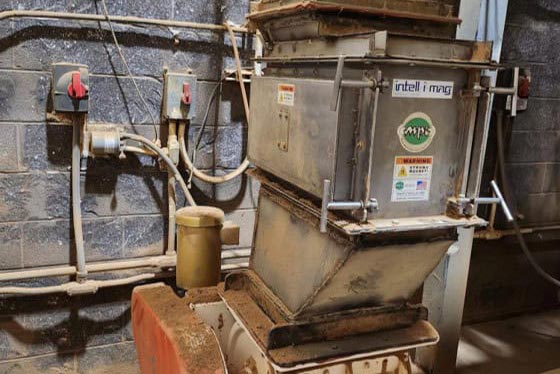
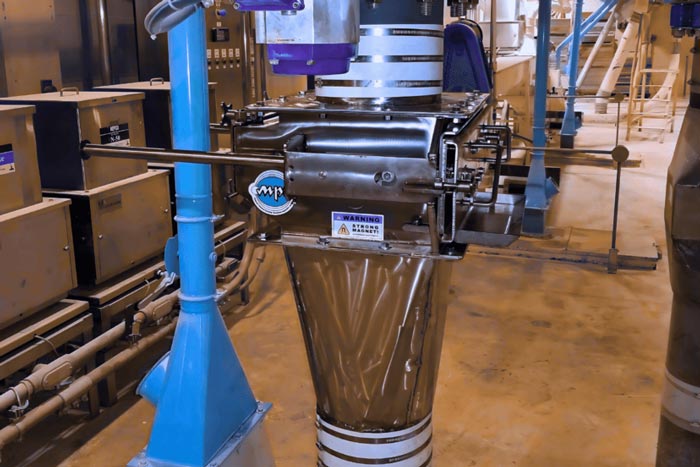
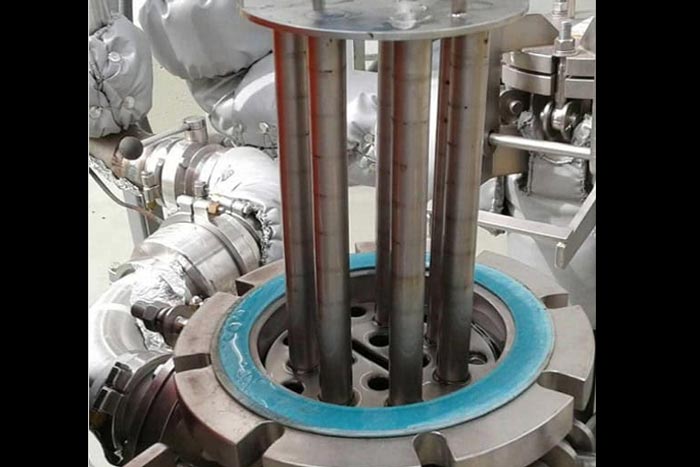
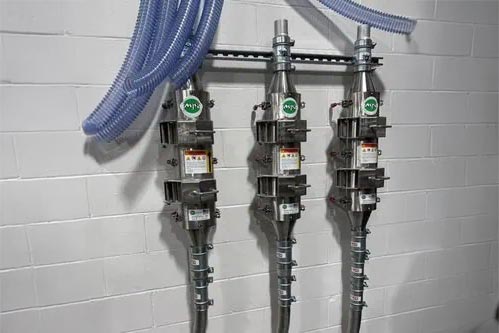
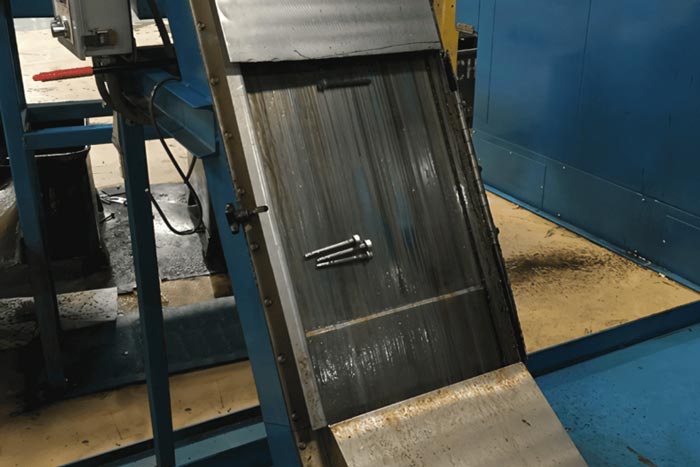
Magnetic filters use rare-earth or high-strength permanent magnets to capture ferrous and paramagnetic particles from fluids (coolants, oils, hydraulic fluids), protecting downstream systems, reducing wear, and extending fluid life. (MPI’s Eco-Mag is a good example of this technology) cdn.thomasnet.com

Unlike traditional filters, magnetic filters often require no consumables—just periodic cleaning of the magnetic core.

Key Features & Benefits

  • Permanent magnet core (rare-earth)
    • Holds ferrous particles effectively without power consumption
  • No consumables / cartridges
    • Lower operating cost; reduced waste disposal
  • Low or zero pressure drop
    • Minimal impact on fluid flow, even when loaded
  • Easy cleaning / maintenance
    • Magnetic core can be cleaned quickly (e.g., with a core cleaning tool)
  • Long fluid life & cleaner systems
    • Less contamination, less wear on pumps and valves, better fluid quality over time
  • Broad application compatibility
    • Works with coolants, oil, hydraulic fluids, etc.

Typical Specifications & Models

Below are sample specs for MPI / MPI magnetic / return filter systems (note: may vary by model):

Spec
Typical Value / Range
Maximum Working Pressure
~ 10 bar (1 MPa)
Recommended Flow Range
Up to ~3,000 L/min (depending on model and Δp)
Bypass Valve Setting
~1.75 bar ±10% (for many models)
Filter Housing Material
Nylon / GF reinforced (for small models) or aluminum (larger)
Operating Temperature Range
–25 °C to +110 °C (typical)
Seal Materials
Standard NBR; optional FPM / Viton for more aggressive fluids
Mounting Orientation
Vertical (many units are designed vertical mounting)
Δp Across Element
Filter elements rated to carry up to ~10 bar differential (varies)

Usage & Maintenance Tips

  • For heavy contamination or mixed particles (non-ferrous), combine magnetic filters with standard filtration (mesh, media filters).
  • Place the filter in a location where fluid must pass through (return line or side-stream) so all fluid is subject to magnetic cleaning.
  • Clean the magnetic core regularly before saturation—do not wait for full saturation.
  • Monitor for any drop in performance (flow restriction) or increased Δp.
  • Inspect fluid clarity and wear debris levels to judge filter effectiveness.

Ordering Considerations & Options

  • Model / Size – Match the magnetic filter to your maximum fluid flow / system flow.
  • Bypass Valve Setting – Choose appropriate opening pressure depending on system design.
  • Seal Material Compatibility – For fluids beyond standard oils/coolants, opt for FPM / Viton instead of NBR.
  • Housing Material – For corrosion or aggressive environments, aluminum or other robust materials preferred.
  • Magnetic Core Strength / Type – Higher strength magnets capture smaller particles; may be offered in different grades.
  • Cleaning Method / Tooling – Provide proper core cleaning tool or mechanism.
  • Mounting / Orientation – Confirm how and where the unit will be installed (vertical, horizontal, in-tank, external).
  • Optional Accessories – Pressure gauges, differential pressure sensors, easy-access bowls, vacuum-sealed closures, etc.

© 2004-2025

Production Resources Incorporated.  All Rights Reserved.
linkedin facebook pinterest youtube rss twitter instagram facebook-blank rss-blank linkedin-blank pinterest youtube twitter instagram