Overview
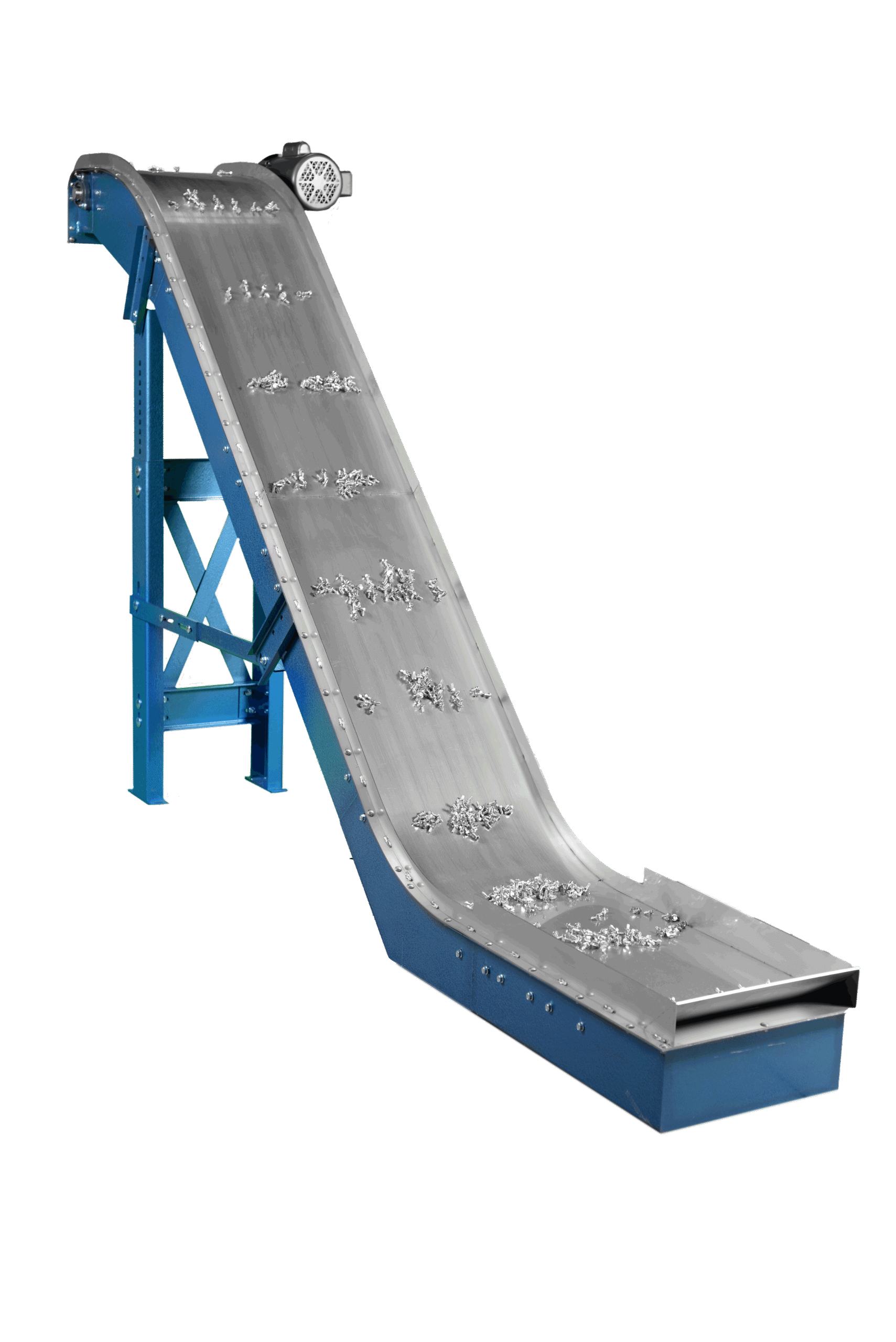
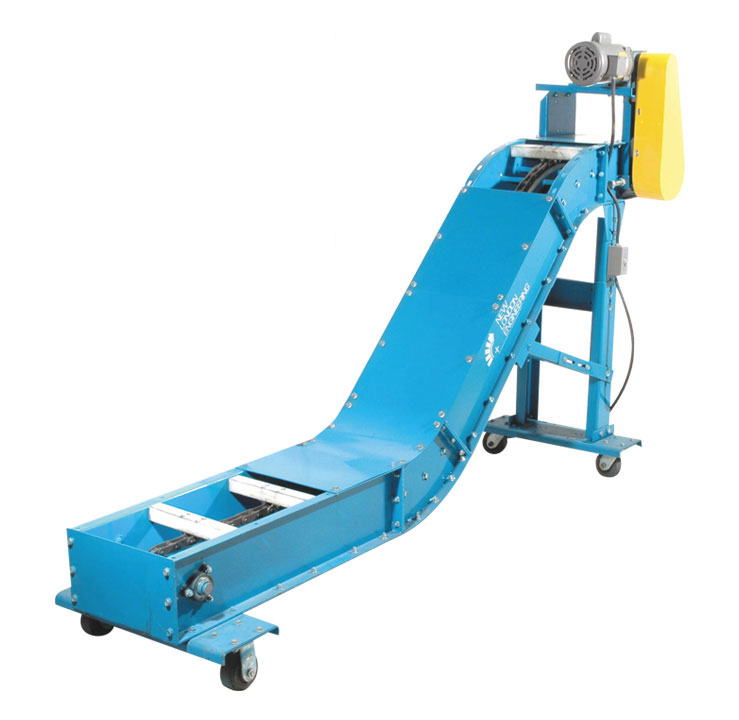
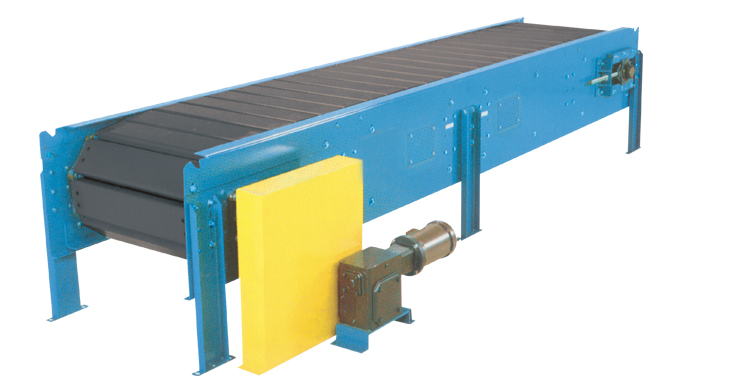
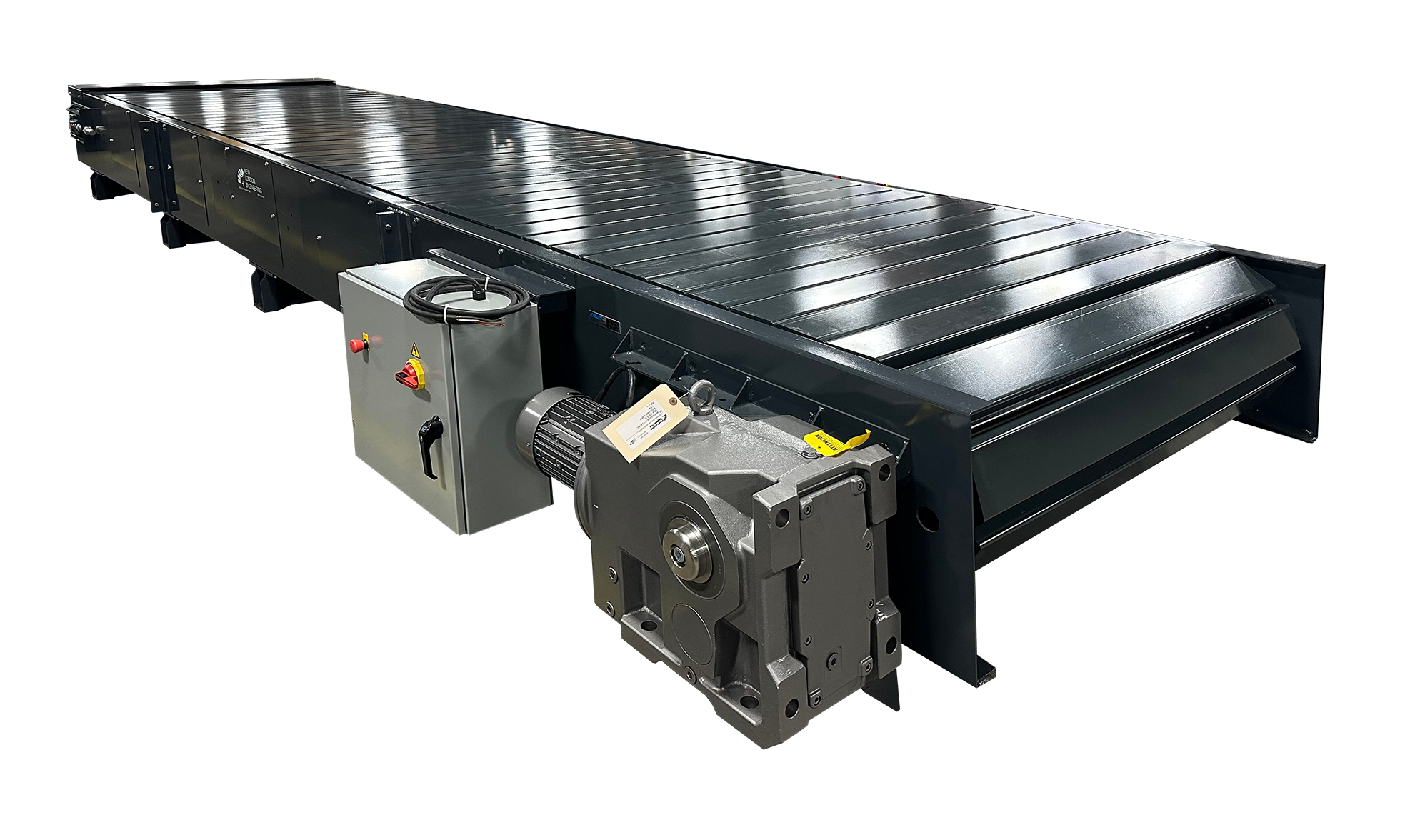
New London Engineering groups its magnetic, drag and slat conveyors in one comparison chart in its General Catalog. The Model 700 magnetic conveyor moves very small metal particles or metallic sludge, the Model 711 single strand and Model 712 double strand drag conveyors move very small fines, chips, turnings and granulated scrap, and the Model 770 slat conveyor carries large, heavy products such as washing machines through assembly lines. PRI supplies all four models.
Key Features
- No external moving parts
- The Model 700 has no external moving parts, which prevents material from jamming. It runs on #60 roller chain mounted to UHMW, and spring-loaded internal sprockets at the infeed minimize maintenance.
- Ceramic or neodymium magnets
- Magnets are enclosed in stainless steel: charged ceramic for standard duty or charged neodymium for heavy duty, on 12" centers as standard.
- Self-cleaning discharge
- The 12 ga stainless steel precision roller hi-radius deck has a long-radius, self-cleaning discharge head for dependable product discharge.
- Replaceable drag flights and pans
- Drag conveyors are tough and abrasion resistant, with replaceable bottom pans and drag flights. Flights come in mild or stainless steel, UHMW or brass; 1-1/2" UHMW flights are standard.
- Single or dual strand
- The Model 711 uses a single strand chain; the Model 712 has all the features of the 711 with the added strength of a dual strand.
- Heavy steel slats
- The Model 770 uses formed 7 ga steel slats, 5-7/8" wide x 1-1/2" deep on 6" centers, on roller chain to reduce friction and allow heavier loads. Mild steel, stainless or wood slats, standard or custom lengths, and fixtures for product positioning.
Product Line / Models
Models and NLE's standard specifications:
- Model 700 Magnetic Conveyor – Conveys very fine metal or sharp-edged parts that may get caught in the belting of a hinged steel belt, including particles submerged, collected or filtered in tanks. 6", 8", 10", 12", 14", 16" and 18" wide, lengths up to 20', 30°, 45° and 60° curves, standard speeds of 24, 36, 48 and 60 FPM, 1/2 HP 230/460/3/60 TEFC, shaft-mount drive on the right side. 6-5/8" deep x 12 ga frame, 13-tooth sprockets, #60 roller chain on UHMW tracks, access panels. Horizontal, L and Z frames.
- Model 711 Single Strand Drag Conveyor – Drags very small fines, chips, turnings or granulated scrap. 6", 8", 10" and 12" wide, lengths up to 20', 30°, 45° and 60° curves, 20 FPM, 1/2 HP 230/460/3/60 TEFC, top-mount drive on the right side. 12 ga frame, 12-tooth x 3.854" PD sprockets, 2" pitch chain with replaceable 1-1/2" high UHMW drag flights on 12" centers.
- Model 712 Double Strand Drag Conveyor – All the features of the Model 711 with a dual-strand chain for added strength. Same standard widths, lengths, curves, speed, motor, sprockets and flights as the 711.
- Model 770 Slat Conveyor – For assembly and production lines where products move slowly through operator workstations, and a roller chain is needed to reduce friction and carry heavier loads such as washing machines, furniture and larger automobile parts. 7 ga x 23" deep frame, 7 ga slats 5-7/8" wide x 1-1/2" on 6" centers (unpainted), 8-tooth x 15.68" PD sprockets, 30 FPM, side-mount drive, heavy-duty structural channel supports.
Applications & Benefits
- Press rooms and metalworking: NLE lists its magnetic and drag conveyors for very fine metal and sharp-edged parts that may jam a hinged steel belt.
- Tanks and sludge: The Model 700 handles metal particles submerged, collected or filtered in tanks, and metallic sludge.
- Fasteners and small metals: Magnetic conveyors are used with fasteners, small metals, submerged metals and sharp-edged scrap, and commonly to reduce the risk of jamming.
- Fine chips and granulated scrap: The 711 and 712 drag very small fines, chips, turnings and granulated scrap.
- Heavy assembly lines: The Model 770 carries washing machines, furniture and larger automobile parts through operator workstations.
How to Choose Between Magnetic, Drag and Slat Conveyors
- Choose the Model 700 when fine metal or sharp-edged parts would catch in a hinged steel belt, or when parts sit in a tank or sludge.
- Pick ceramic magnets for standard duty or neodymium magnets for heavy duty.
- Choose a drag conveyor for very small fines, chips, turnings or granulated scrap, and the 712 when the added strength of a dual strand is needed.
- Select the drag flight material: mild steel, stainless steel, UHMW or brass.
- Confirm width, length and incline: the 700, 711 and 712 run up to 20' long with 30°, 45° or 60° curves.
- Choose the Model 770 for large, heavy products moving slowly through workstations, and specify slat material, slat length and any fixtures.
Why NLE Magnetic, Drag and Slat Conveyors Are Trusted
- Less jamming: With no external moving parts, the Model 700 keeps material from jamming, and NLE notes magnetic conveyors are commonly used to reduce the risk of jamming.
- Replaceable wear parts: Drag conveyor bottom pans and drag flights are replaceable, and the lower pan is designed for long life.
- One comparison chart: NLE's General Catalog lays out frame, sprocket, shaft and carrier details for the 700, drag and 770 models side by side.
Contact & Ordering
Need help picking the right model or getting a quote? Provide these details:
- Material to convey: particle, chip or part size, and whether it is in a tank or sludge
- Product size and weight (slat conveyor)
- Width and overall length
- Configuration: horizontal, L or Z, and incline angle
- Magnet type, flight material or slat material
- Speed and available power
- Contact PRI to discuss specs, lead times, and installation support.