Search...

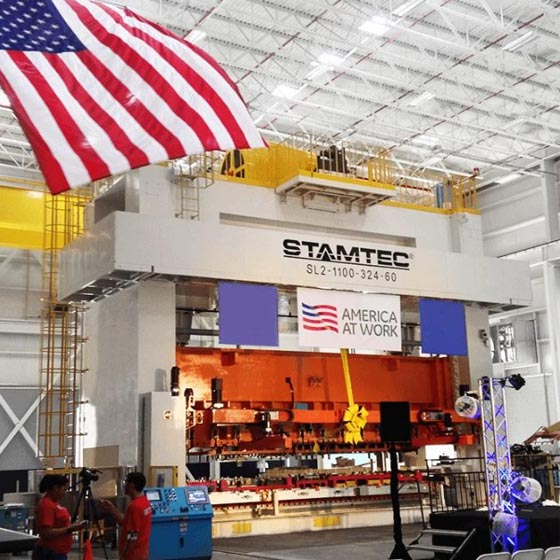
Power presses are heavy-duty machines that convert mechanical, hydraulic, or servo-driven energy into controlled linear motion for forming, cutting, punching, bending, and drawing sheet metal and other materials. They are the workhorses of stamping and metal‑forming operations, delivering repeatable force and stroke control to produce high volumes of precision parts with consistent quality.
Power presses are used across industries for operations such as blanking, piercing, forming, embossing, deep drawing, and trimming. Typical applications include automotive stampings, appliance components, electrical enclosures, brackets and clips, and many precision metal parts. In production lines they are often integrated with coil‑feeding systems, part transfer automation, die protection and press controls, and scrap handling to create efficient, safe stamping cells.
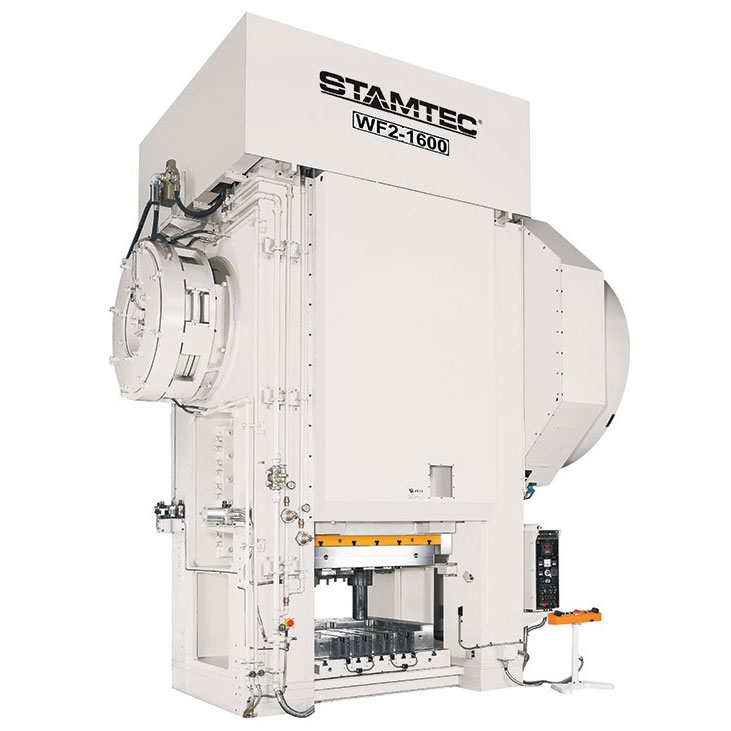
What they are: Mechanical presses use a crank, eccentric, or flywheel to convert rotary motion into a linear ram stroke.
Use cases: High‑speed blanking, piercing, and progressive stamping where cycle time and repeatability are critical. Mechanical presses are ideal for long production runs and operations that require fast press speeds and precise slide motion.
What they are: Forging presses apply controlled, high‑tonnage force to shape heated or cold‑worked metal into near‑net‑shape parts. Unlike impact‑based forging hammers, forging presses deliver a steady, continuous squeeze that improves dimensional accuracy, material flow, and part integrity.
Use cases: Ideal for producing high‑strength components such as gears, shafts, fasteners, and structural parts in automotive, aerospace, energy, and industrial equipment. Forging presses are used for closed‑die forging, precision forging, and cold‑forging operations where consistent deformation, repeatability, and superior mechanical properties are required.
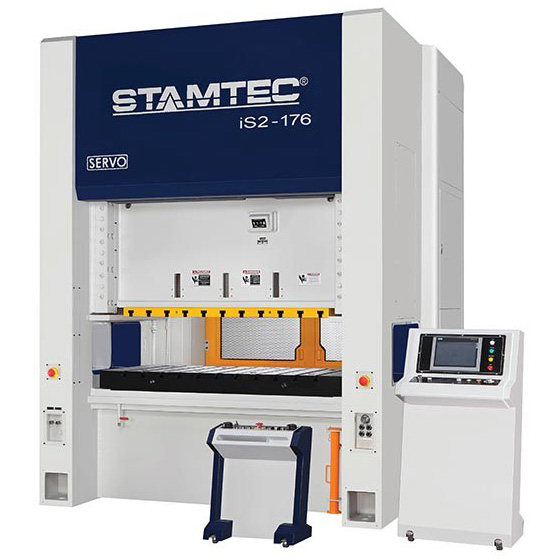
What they are: Servo presses use an electric servo motor to drive the ram, offering precise control of speed, position, and force throughout the stroke.
Use cases: Applications that require programmable motion profiles, energy efficiency, and tight process control—such as precision forming, controlled‑force joining, and low‑noise operations.
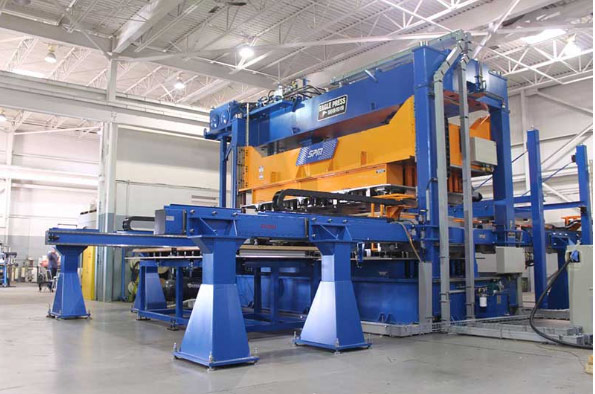
What they are: Hydraulic presses use fluid power to generate force and control ram movement. They provide variable speed, long stroke, and high tonnage at lower speeds.
Use cases: Deep drawing, forming, and operations requiring long dwell times or very high tonnage at lower speeds. Hydraulic presses are preferred for heavy forming, single‑operation presses, and jobs that need adjustable force profiles.
Selection factors to consider: part geometry and material, required tonnage and stroke, cycle speed, die complexity, automation needs, floor space, energy efficiency, and safety/safeguarding requirements.
PRI’s application engineers support press selection, integration with coil‑feeding and transfer systems, and specification of die protection and press controls to match your production goals.
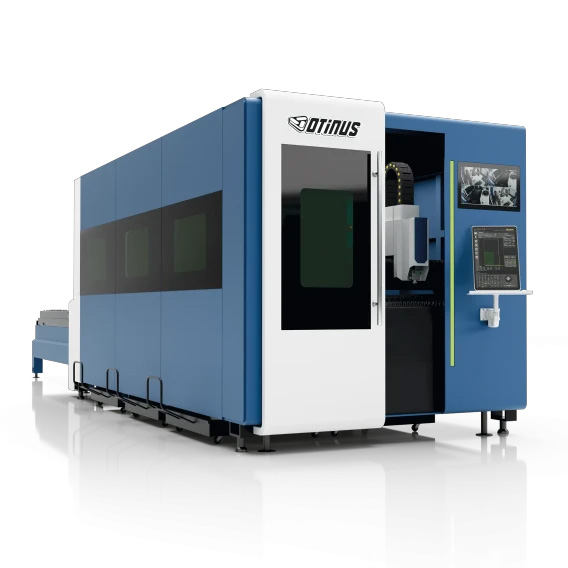
Fiber laser cutters offer high‑speed, high‑precision cutting with excellent edge quality and low operating costs. Their energy‑efficient laser source and advanced motion control support rapid processing of steel, stainless, aluminum, and non‑ferrous metals in both prototype and production workflows.
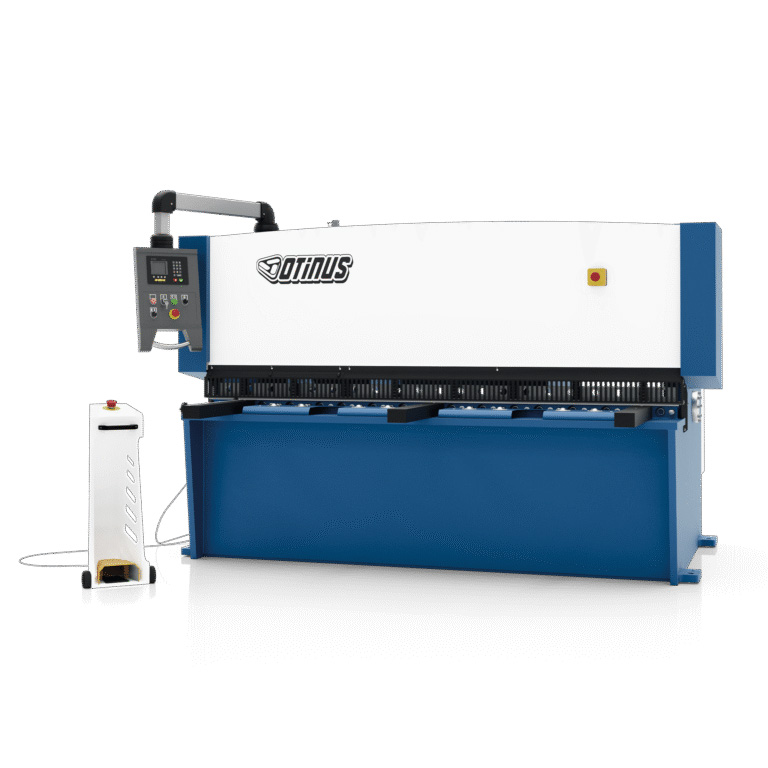
Guillotine shears provide straight, reliable cutting of sheet and plate materials using a powerful, guided blade action. Their rigid construction, adjustable settings, and precise backgauges ensure clean, consistent cuts for fabrication shops and high‑capacity metal processing operations.
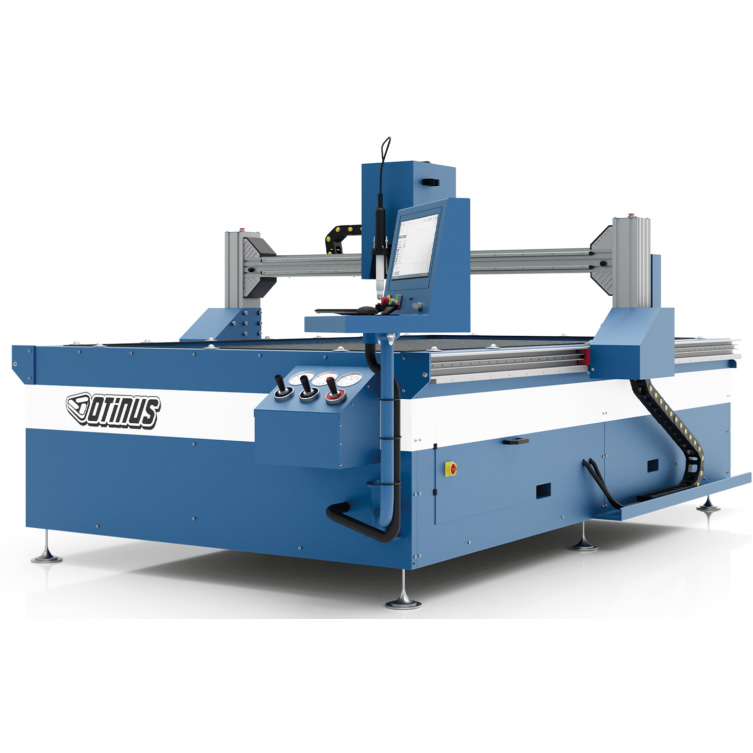
Plasma cutters provide fast, accurate cutting of conductive metals using a high‑temperature ionized gas stream. They support clean edges, tight contours, and efficient processing across mild steel, stainless steel, and aluminum, making them a versatile choice for fabrication, repair, and production environments.
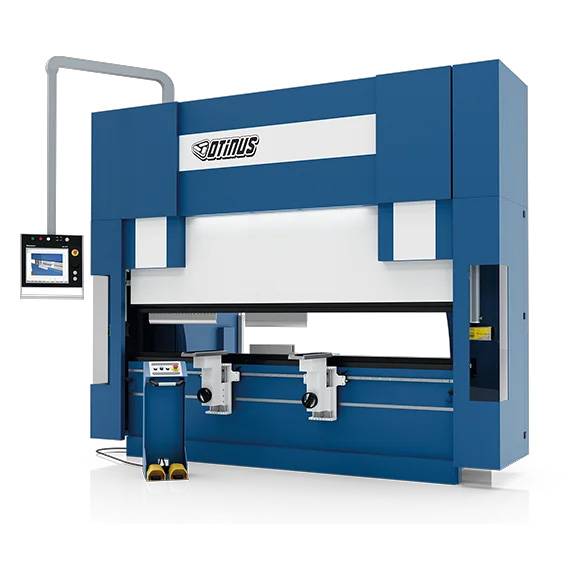
Press brakes deliver controlled, repeatable metal forming for a wide range of bend profiles. With precision‑guided rams, configurable tooling, and modern CNC controls, they ensure consistent accuracy and efficient setup for both light‑gauge work and heavy‑duty forming applications.
© 2004-2026