

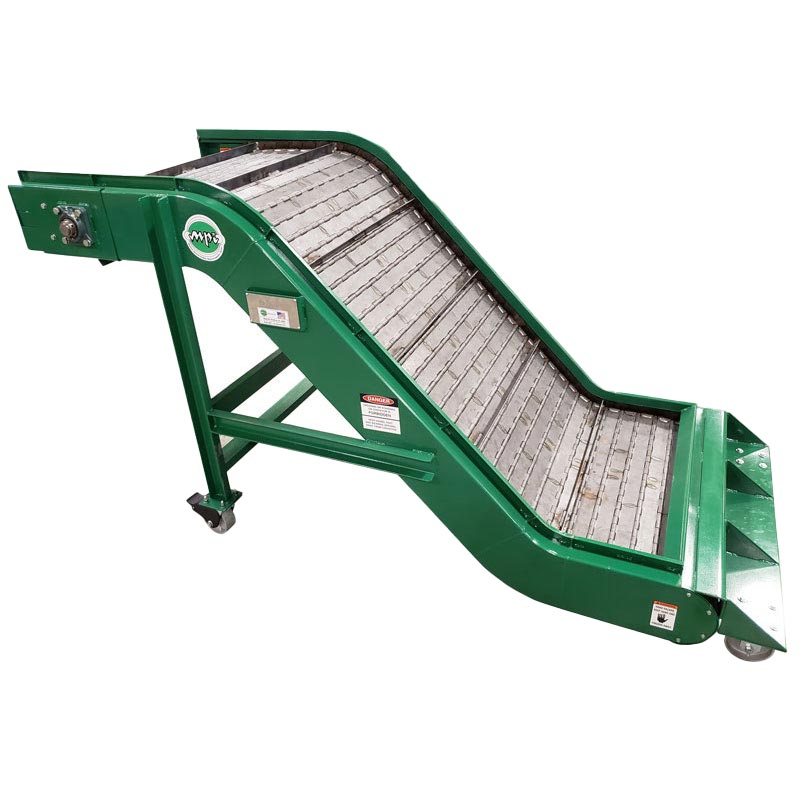
Conveyors that clear slugs and scrap from under the die, carry parts out of the press, move chips and turnings, and run assembly and packaging lines. Production Resources, Inc. (PRI) supplies Dorner, MPI, New London Engineering and PAX conveyors and helps you choose the type that fits.
Shop Conveyor SystemsRequest a QuoteCall (800) 863-3164What PRI Supplies · Conveyor Types · How to Choose · What We Need · Brands · FAQs
Conveyors for the Press Room and the Plant
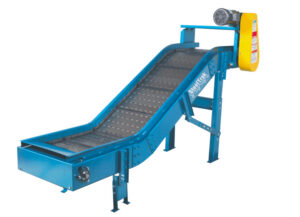
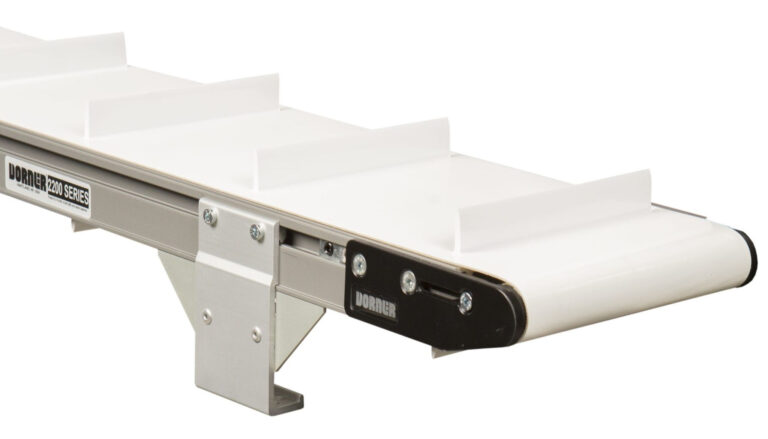
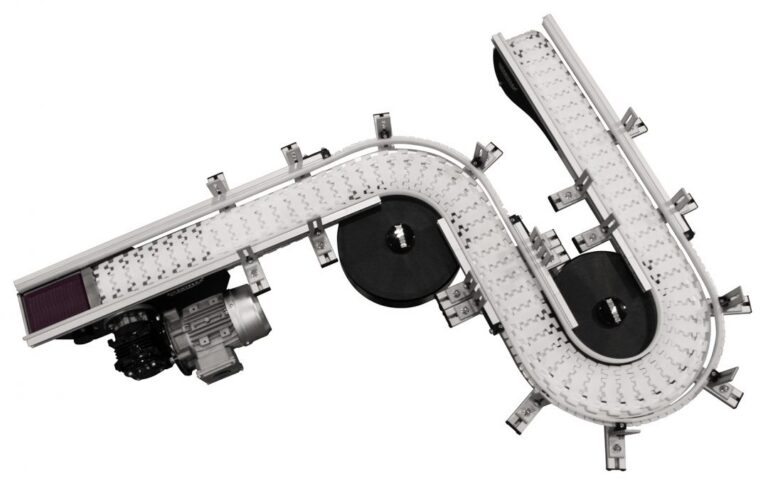
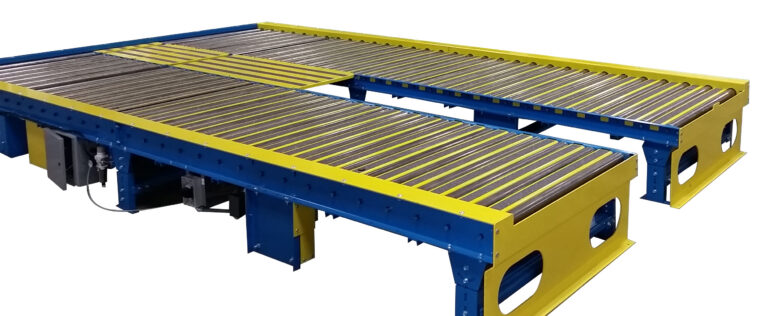
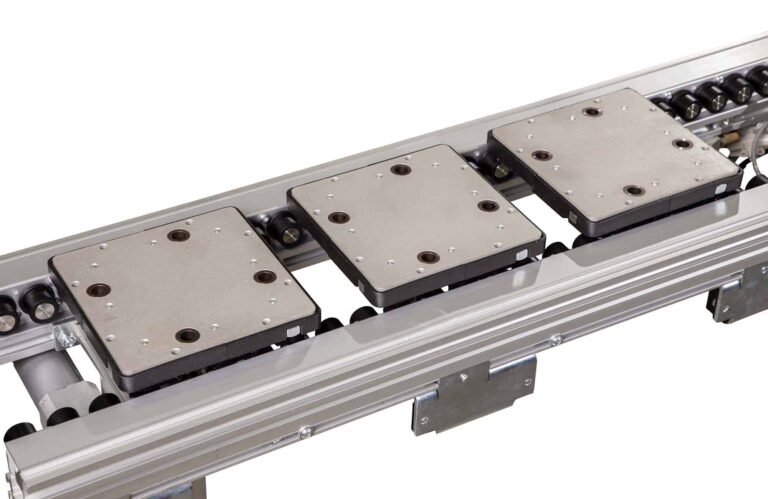
PRI supplies low-profile flat and cleated belt conveyors, beltless and belted magnetic conveyors, hinged steel belt and wire mesh belt conveyors, telescoping conveyors and oscillating (shaker) conveyors, plus roller conveyors and pallet systems. Applications include slug and scrap removal, part handling, automation, food products, packaging, pharmaceutical work and general-purpose conveying.
In a stamping plant, conveyors usually work as a chain. An under-die conveyor or a press-mounted shaker clears the die. A floor-mounted shaker, magnetic or hinged steel belt conveyor carries the scrap away from the press, and an incline conveyor lifts it into a hopper or dumpster. Finished parts leave on their own conveyor to a tote, an inspection station or the next process.
Conveyor Types
Each type has its own guide. Pick a card to read it, or go straight to the catalog.
How to Choose a Conveyor
- 1Start with what you are movingParts or scrap, steel or non-ferrous, and the size, weight, edges, heat and oil decide most of it. Magnetic conveyors move only ferrous material; shakers, hinged steel belts and belt conveyors move both.
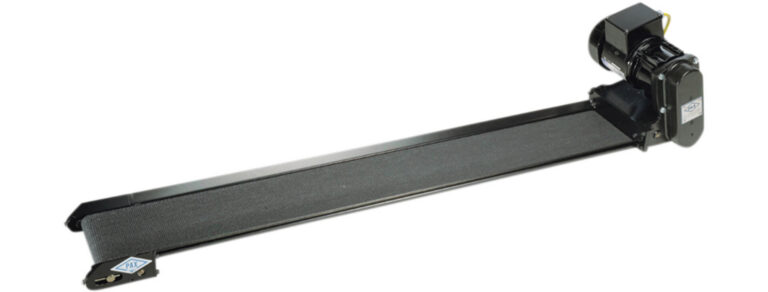
- 2Measure the space at the dieUnder the die, the height between the bolster and the lower die decides between a low-profile belt conveyor (PAX needs 2 to 2.5 in.) and a press-mounted shaker pan that runs between the die uprights.
- 3Follow the pathHorizontal, incline, vertical, curves or a pit. Magnetic and cleated belt conveyors climb steep inclines; shakers stay horizontal; floor shakers and hinged steel belt conveyors can run in a pit under a row of presses.
- 4Size for the ratePounds of scrap per hour, parts per minute or loads per shift. The rate and the longest piece set the conveyor series, magnet spacing, belt pitch and width.
- 5Plan the discharge and controlsWhere material goes next (tote, hopper, dumpster or the next machine) and whether the conveyor runs with the press, on a timer or continuously. Stopped-belt and tray motion sensors can tie into die protection.
- 6Think about die changesPress-mounted shakers and under-die conveyors come out or move with each die change. Carts, quick-release pan brackets and flush-mount tension ends make that faster.
Send what you have. A sketch of the layout and a photo of the parts or scrap go a long way:
- What you are moving: parts, slugs, chips or turnings
- Material: steel, aluminum or other non-ferrous; oily, hot or sharp
- Largest and smallest piece, size and weight
- Rate: pounds per hour, parts per minute or loads per shift
- Press make, model and bolster size, and height under the die
- Path: horizontal, incline angle, curves, pit or floor
- Infeed and discharge heights, and where material goes next
- Supply voltage and how the conveyor starts and stops
Conveyor Brands PRI Offers



Also through PRI: Titan heavy-duty belted and roller conveyors. See Additional Manufacturers.
Help From PRI
PRI's Application Engineers are available to help you select the right conveyor for the job, from a single under-die conveyor to a scrap system serving a row of presses. If you already know the model you need, call PRI: customer service can often quote standard conveyors and parts over the phone.
PRI also supports the equipment after you choose it: turnkey installation and startup, hands-on training for operators and maintenance staff, and help with parts and repairs. Where a conveyor passes through press guarding, PRI's guarding analysis and stop-time measurements help you place the safeguards. See PRI services.
Learn More About Conveyors
What Is a Conveyor System? The Ultimate Guide · The 6 Most Common Types of Conveyor Systems · What Is an Automated Conveyor System? · Benefits of Dorner ERT Conveyors · More conveyor articles
Frequently Asked Questions
What types of conveyors does PRI supply?
Under-die and part-out conveyors, shaker (oscillating) conveyors, beltless and belted magnetic conveyors, hinged steel belt, drag and slat conveyors, flat and cleated belt conveyors, modular belt, plastic chain and wire mesh conveyors, roller conveyors, and pallet systems and turntables, from Dorner, MPI, New London Engineering and PAX.
Which conveyor is best for press scrap?
It depends on where the scrap is and what it is. Under the die, a low-profile under-die conveyor or a press-mounted shaker. Away from the press, MPI's guidance is a beltless magnetic conveyor for oily or sharp ferrous scrap, a hinged steel belt conveyor for mixed or heavy scrap, and a shaker for light or non-ferrous scrap.
Can a conveyor move aluminum or other non-ferrous scrap?
Yes. Shaker, hinged steel belt and belt conveyors move non-ferrous material. Magnetic conveyors move only steel and iron.
Can PRI quote standard conveyors and parts over the phone?
Often, yes. If you know the model you need, call PRI at (800) 863-3164. For anything new, send the details in the checklist above and an Application Engineer will help you choose.
Does PRI install conveyors?
Yes. PRI offers turnkey installation and startup, plus training for operators and maintenance staff, for the conveyors it supplies.
Conveyor Guides
Under-Die & Part-Out Conveyors · Shaker Conveyors · Magnetic Conveyors · Hinged Steel Belt, Drag & Slat Conveyors · Belt Conveyors · Coil Handling & Feeding · Quick Die Change
Send us what you are moving, the rate and a sketch of the layout. PRI will recommend the conveyor type and brand that fit, and quote it.
Shop Conveyor SystemsRequest a QuoteCall (800) 863-3164