

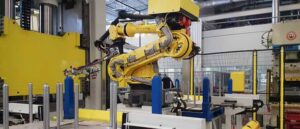
Assembly automation uses robots, machine vision, conveyors, guided vehicles and sensors to join, check and move parts after they leave the press. Production Resources, Inc. (PRI) brings Linear custom robotic and vision cells together with the conveyors, sensors and controls around them.
Shop Manufacturing AutomationRequest a QuoteCall (800) 863-3164What It Is · Benefits · What PRI Supplies · Linear Cells · Scoping a Cell · What We Need · FAQs
What Is Assembly Automation?
Assembly automation integrates technology into assembly processes and turns manual tasks into automated ones. Its key components are robotic arms, automated guided vehicles (AGVs) and machine vision systems. They work together to streamline production, improve quality and make better use of people and equipment.
For a stamper, it usually starts where the press line ends: joining stamped parts, checking that nuts and studs are in place, inspecting parts, and moving them between operations and into containers.
Benefits of Assembly Automation
What PRI Supplies for Assembly
Pick a card to read the guide for that equipment, or go straight to the catalog.
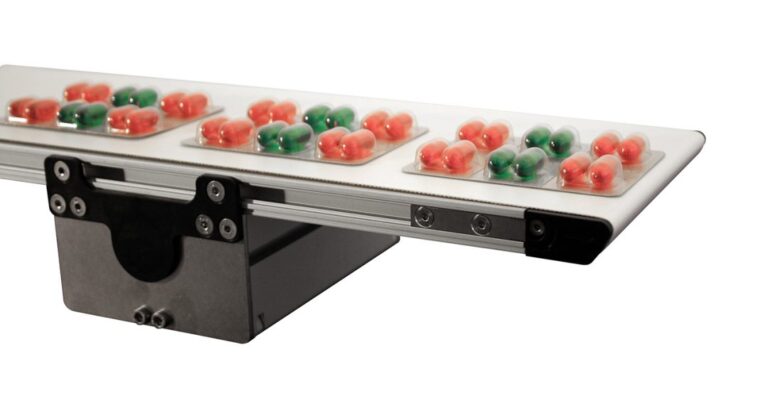

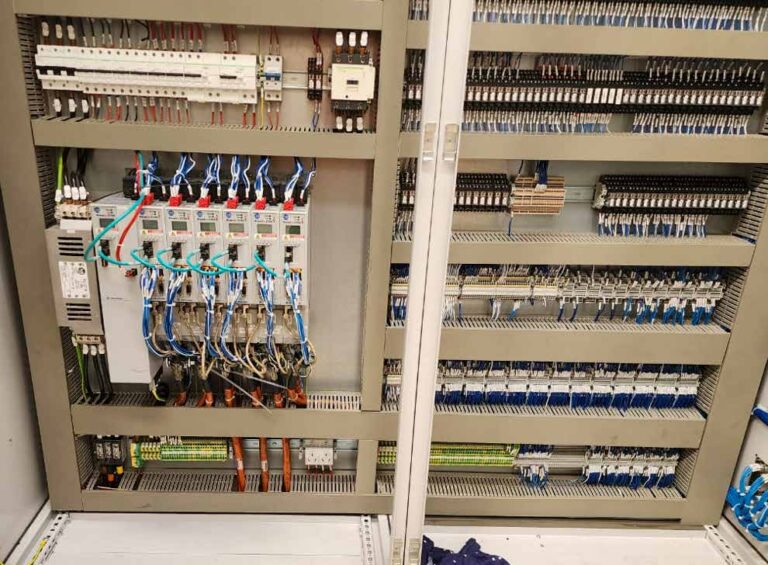
Custom Cells Linear Builds
Linear Automation builds custom robotic and vision-guided automation beyond the press. It designs, programs, installs and supports the cell in-house and builds it on the robot and control brands you already run.
How to Scope an Assembly Cell
- 1Define the taskWhat the cell must do: pick, sort, inspect, load, join or assemble. Many cells do more than one.
- 2List the partsPart variety, size and weight, and how parts arrive: in bins, on racks, on a conveyor or from the press.
- 3Set the cycle timeParts per hour, or the rate of the line the cell has to keep up with.
- 4Decide what to checkVision inspection, nut and stud detection, or thickness checks, and what happens to a bad part.
- 5Follow your plant standardsRobot brand and PLC platform. Linear works with Yaskawa, ABB, FANUC, KUKA and Kawasaki robots on Allen-Bradley, Siemens, Bosch or Mitsubishi controls.
- 6Plan the material flowConveyors between stations, AGVs for heavy loads, and the containers parts go into at the end.
Send what you have. Part drawings and a description of the job today go a long way:
- What the cell must do, step by step
- Part drawings or 3D models, weights and materials
- Number of part numbers in the family
- Cycle time or parts per hour
- How parts arrive and leave (bins, racks, conveyor)
- Inspection or detection needed
- Plant standard robot and PLC brands
- Floor space and a layout drawing
- Welding nearby (for sensor selection)
Brands PRI Offers for Assembly


Also through PRI: Norgren nut, stud and thread detection and camera mounting kits. See the Norgren line card.
Help From PRI
PRI's Application Engineers start with the job you do by hand today, then bring in Linear's engineers to design the cell and match the conveyors and sensors around it. PRI supports installation and startup, operator training and parts, and its safety surveys help you guard the cell. See PRI services.
Downloads
Frequently Asked Questions
What is assembly automation?
The use of technology such as robotic arms, automated guided vehicles (AGVs) and machine vision to turn manual assembly tasks into automated ones.
What are the benefits of assembly automation?
Higher productivity, consistent quality with fewer defects, lower labor cost on repetitive tasks, and a safer workplace, because people are taken out of repetitive and hazardous work.
Which robot brands does Linear work with?
Yaskawa, ABB, FANUC, KUKA and Kawasaki, on Allen-Bradley, Siemens, Bosch or Mitsubishi control platforms.
Will sensors work near welding?
Standard sensors can flicker and give false outputs in weld fields. HTM weld field immune sensors are made for robotic MIG and spot welding areas, and Norgren's toughened SNS nut sensors are immune to weld fields and resist weld slag.
Can PRI help with a single cell, not a whole line?
Yes. Send PRI the job, the parts and the rate. PRI and Linear scope the cell, and PRI quotes the cell and the conveyors and sensors around it.
Related Guides
Power Press Transfer Systems · Linear Automation · Norgren Transfer Tooling · Bachhuber Press Unloaders · Belt Conveyors · Conveyor Systems · Die Protection Sensors
Tell us the job, the parts and the rate. PRI will bring in Linear's engineers and quote the cell and the equipment around it.
Shop Manufacturing AutomationRequest a QuoteCall (800) 863-3164